Mudgal’s: The Ancient Strength Tool Making a Modern Comeback
In the ever-evolving world of fitness, trends come and go—yet some tools stand the test of time. One such timeless training implement is the mudgar. Rooted in ancient Indian strength training traditions, mudgars are now re-emerging as a powerful and functional fitness tool for modern athletes and enthusiasts alike.
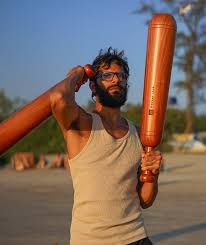
Mudgars are large, club-shaped training tools traditionally made from wood or steel. They were historically used by Indian wrestlers (pehlwans) to build strength, endurance, and joint mobility. Unlike conventional gym equipment, mudgars emphasize fluid, rotational movements that engage multiple muscle groups simultaneously.
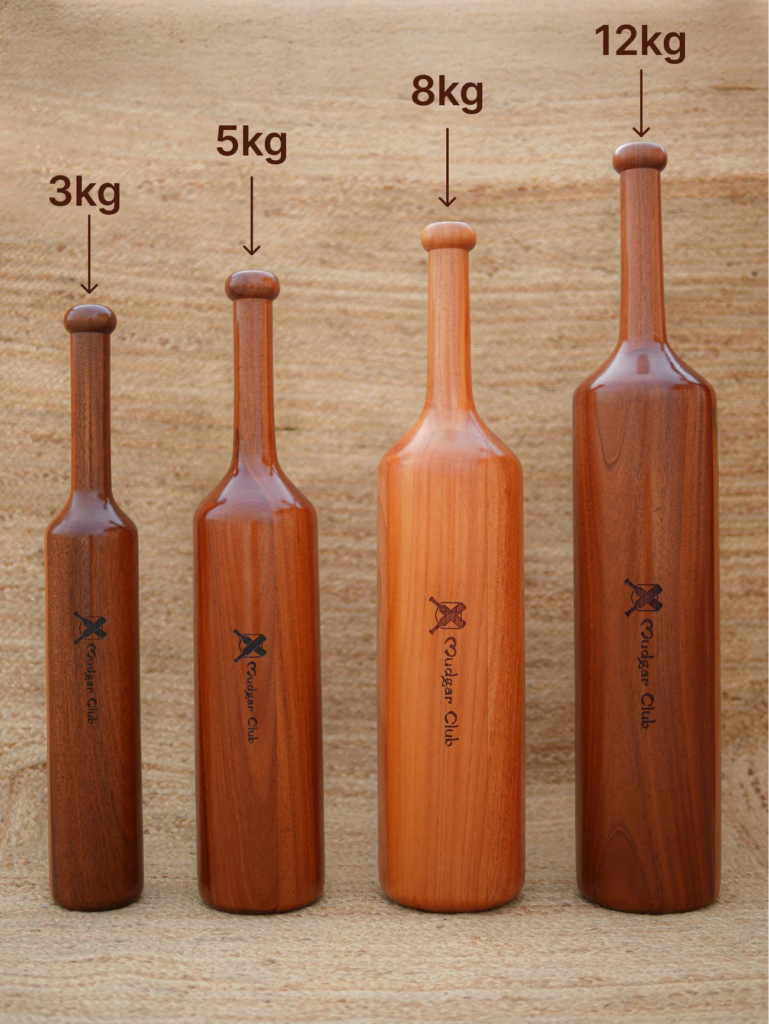
They can vary greatly in weight—from a few kilograms to extremely heavy versions that require significant skill and strength to handle.
Mudgars have deep roots in India’s ancient physical culture. Wrestlers trained in akhadas (traditional training arenas) used them alongside other tools like gadayas (maces) and nal (stone weights). These exercises weren’t just about building muscle—they focused on creating resilient, agile, and balanced bodies.
Over time, mudgar training faded with the rise of modern gyms, but it never truly disappeared. Today, it is experiencing a revival as people seek more holistic and functional training methods.
Mudgar exercises involve swinging motions that activate the shoulders, arms, core, and even the legs. This makes it an excellent full-body workout tool.
The circular and rotational patterns help increase joint mobility—especially in the shoulders, which are often neglected or stiff due to modern lifestyles.
Holding and controlling a mudgar builds exceptional grip strength, which translates well into other fitness activities like lifting, climbing, and martial arts.
Mudgar training requires rhythm and control, improving neuromuscular coordination and balance over time.
By strengthening stabilizing muscles and promoting joint health, mudgars can help reduce the risk of common injuries.
If you’re new to mudgars, it’s important to start light and focus on technique before progressing to heavier weights.
Learning from a qualified trainer or instructional videos can help prevent injuries and accelerate progress.
Today, mudgars are being embraced by athletes, fitness coaches, and even rehabilitation specialists. They are particularly popular among practitioners of functional training, calisthenics, and traditional strength systems.
Many fitness enthusiasts appreciate mudgars not just for their physical benefits, but also for the cultural and historical connection they bring to training.
Mudgars are more than just a workout tool—they represent a philosophy of strength that prioritizes balance, movement, and longevity. In a world dominated by machines and isolated exercises, mudgars offer a refreshing return to natural, dynamic training.
Whether you’re an athlete looking to enhance performance or someone seeking a more engaging workout routine, mudgars might just be the ancient secret your fitness journey needs.r first post. Edit or delete it, then start writing!